
Your Official Guide to Middle School Slang (Which May Already Be Outdated)
Posted Date: 03/12/26 (05:00 PM)
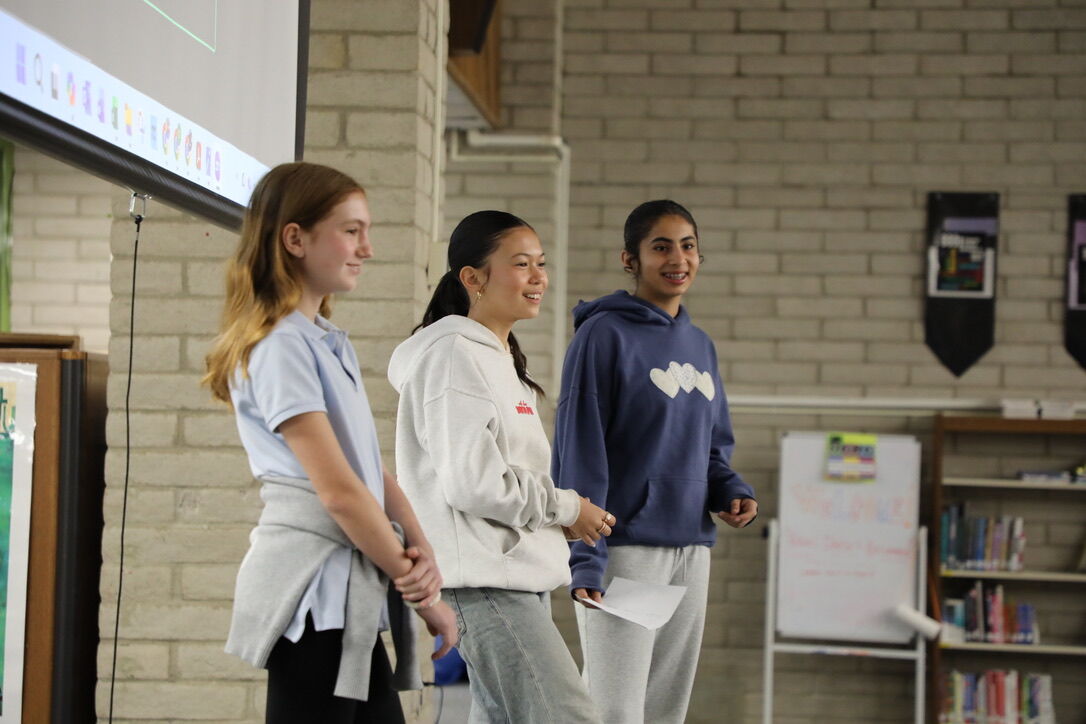 At a recent Orange Grove Middle School Family Faculty Organization meeting, three brave students agreed to do something most teenagers would never volunteer for: explain their slang to a room full of adults.The result was equal parts language lesson, comedy show, and anthropological field study. Parents leaned in. Eyebrows went up. And more than a few people quietly resolved to never attempt these words in front of their children.
A word of caution before we begin: the shelf life of middle school slang is roughly that of a ripe avocado. By the time you read this, some of these terms may already be ancient history. With that disclaimer firmly in place, here is what we learned.
Huzz. Spelled H-U-Z-Z. If a student refers to someone as "my huzz," it means they have a crush on that person, are talking to them, or think they're cute. As in: "I got to talk to my huzz today." The term works the same way for boys and girls, and has nothing to do with actual marriage. Think of it as the current generation's version of "boo."
Chuzz. Spelled C-H-U-Z-Z. A blend of "chopped" and "huzz," this is what your friends call the person you like when they do not share your enthusiasm. If your huzz is an aze, congratulations. If your huzz is a chuzz, your friends think you can do better. One student offered this example: "I talked to my huzz today." A friend might respond: "You mean the chuzz?" As the presenters noted: ouch.
Chopped. If someone tells you that you look "chopped," they are not paying you a compliment. It means unattractive, plain, and simple. Not in a "you seem tired" kind of way. More of a "you look rough" kind of way. The term has roots in New York and New Jersey slang and went mainstream on TikTok in 2024. The adults in the room needed a moment with this one.
Selling and Cooking. These are opposites. If you are "cooking," you are doing really well at something. If you are "selling," you are doing a terrible job. The term "selling" comes from gaming culture, where it originally meant throwing a game. Students tend to use it about themselves, particularly in sports: "I was selling out there." In other words: I was awful.
Opp. Spelled O-P-P. Short for opposition. Before you panic, this is almost always used as a joke between friends. "You're my number one opp right now" roughly translates to: "I'm annoyed with you, but we're fine." The students were clear that this is not typically used to describe an actual enemy.
Side Eye. Less of a word and more of a response. When someone does something annoying or cringeworthy, they receive the side eye. No verbal communication required. Adults in the room confirmed this one has been around for a while, though the students seemed skeptical of any shared cultural ground.
Mid. Something that is "mid" is unremarkable. Not good, not bad. Just there. A movie can be mid. A meal can be mid. Apparently, a person can also be mid, which the presenters delivered with the casual brutality that only a thirteen-year-old can.
Tuff and Peak. Here is where spelling matters. "Tuff" is spelled T-U-F-F, and it means something is cool or impressive. "Peak" means you are at your absolute best. As in: "Oh my God, that's so tuff." Or: "You're at your peak right now." (Fun fact for parents: "tuff" meant exactly the same thing in the late 1960s. What's old is new again.)
Ick. If someone gives you "the ick," they did something that made you suddenly and viscerally unattracted to them. The feeling is physical, immediate, and apparently irreversible. The students described it with the kind of gravity usually reserved for natural disasters.
Chuzz. Spelled C-H-U-Z-Z. A blend of "chopped" and "huzz," this is what your friends call the person you like when they do not share your enthusiasm. If your huzz is an aze, congratulations. If your huzz is a chuzz, your friends think you can do better. One student offered this example: "I talked to my huzz today." A friend might respond: "You mean the chuzz?" As the presenters noted: ouch.
Chopped. If someone tells you that you look "chopped," they are not paying you a compliment. It means unattractive, plain, and simple. Not in a "you seem tired" kind of way. More of a "you look rough" kind of way. The term has roots in New York and New Jersey slang and went mainstream on TikTok in 2024. The adults in the room needed a moment with this one.
Selling and Cooking. These are opposites. If you are "cooking," you are doing really well at something. If you are "selling," you are doing a terrible job. The term "selling" comes from gaming culture, where it originally meant throwing a game. Students tend to use it about themselves, particularly in sports: "I was selling out there." In other words: I was awful.
Opp. Spelled O-P-P. Short for opposition. Before you panic, this is almost always used as a joke between friends. "You're my number one opp right now" roughly translates to: "I'm annoyed with you, but we're fine." The students were clear that this is not typically used to describe an actual enemy.
Side Eye. Less of a word and more of a response. When someone does something annoying or cringeworthy, they receive the side eye. No verbal communication required. Adults in the room confirmed this one has been around for a while, though the students seemed skeptical of any shared cultural ground.
Mid. Something that is "mid" is unremarkable. Not good, not bad. Just there. A movie can be mid. A meal can be mid. Apparently, a person can also be mid, which the presenters delivered with the casual brutality that only a thirteen-year-old can.
Tuff and Peak. Here is where spelling matters. "Tuff" is spelled T-U-F-F, and it means something is cool or impressive. "Peak" means you are at your absolute best. As in: "Oh my God, that's so tuff." Or: "You're at your peak right now." (Fun fact for parents: "tuff" meant exactly the same thing in the late 1960s. What's old is new again.)
Ick. If someone gives you "the ick," they did something that made you suddenly and viscerally unattracted to them. The feeling is physical, immediate, and apparently irreversible. The students described it with the kind of gravity usually reserved for natural disasters.
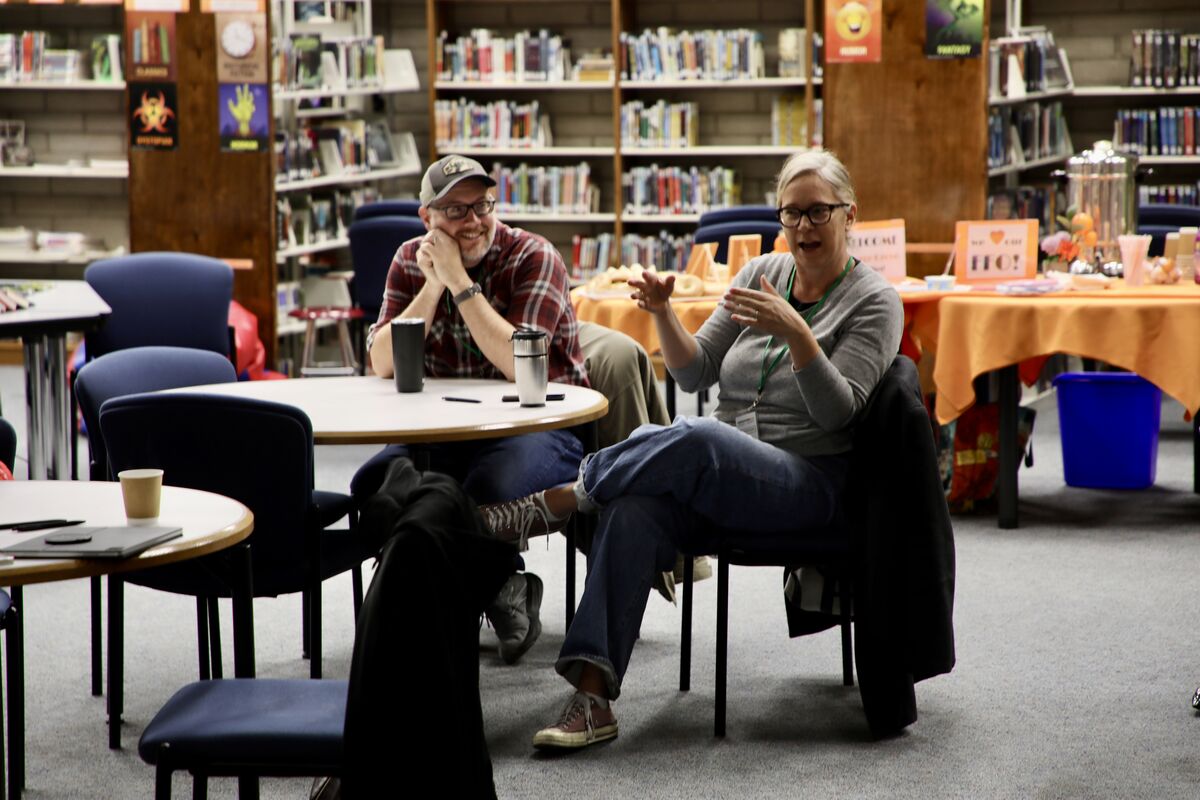 When asked if there was any particular slang term they wished adults would stop using, the answer was immediate and unanimous: all of them. The fastest way to retire a piece of slang, the students confirmed, is for a parent to start using it at the dinner table. Fair point. (Parents: please stop saying 67.)
A huge thank you to our three presenters for their willingness to pull back the curtain. The FFO audience left the meeting slightly more informed, mildly horrified, and deeply entertained.
And to any student reading this who is already shaking their head: we know. It's probably all different now.